Source Soundproof Leather Speaker Storage Bag for Events, Studios, and Travel
Compare 30 listings for soundproof leather speaker storage bag options featuring materials like Oxford Cloth and Nylon+EVA. Buyers can evaluate dustproof and waterproof designs with customizable logos and varying MOQs from 1 to 1000 pieces.
Key considerations
Products List
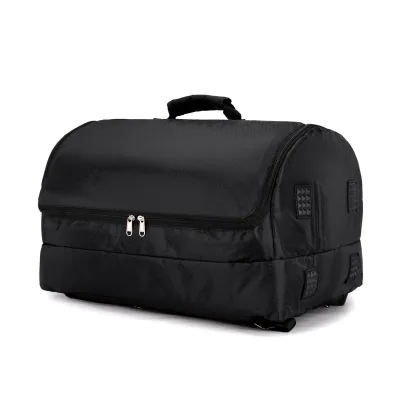
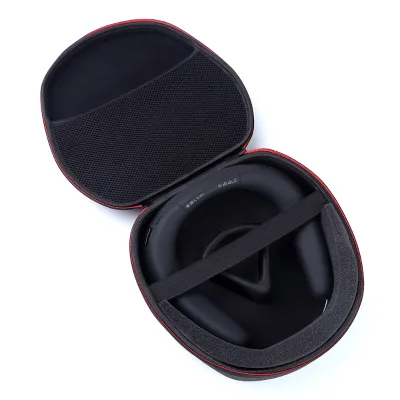
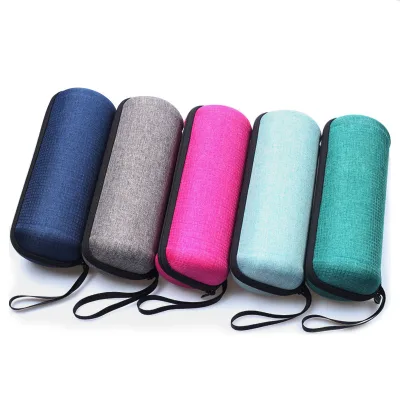


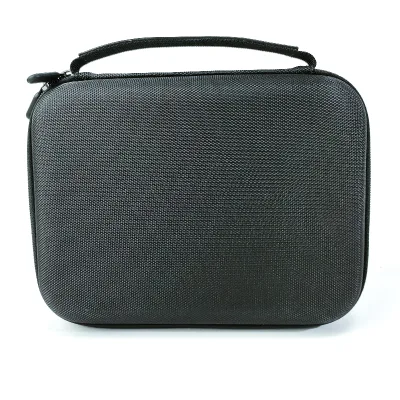
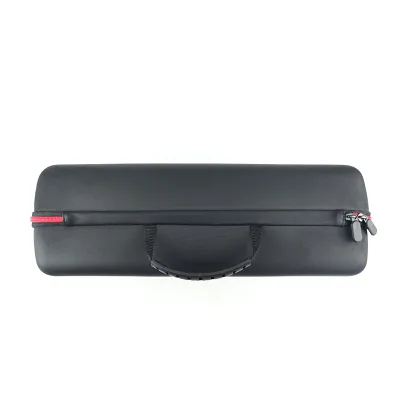
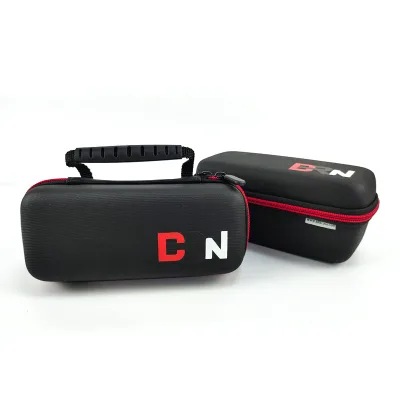
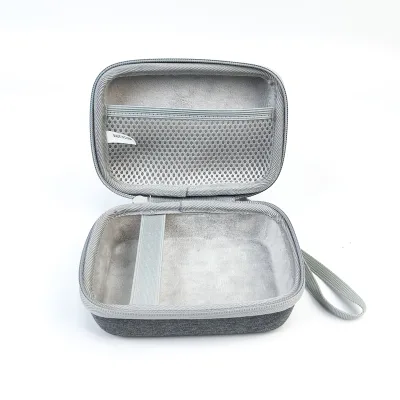
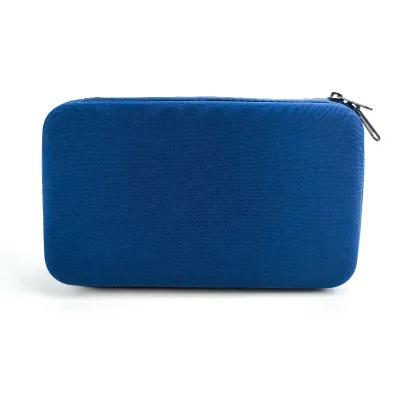
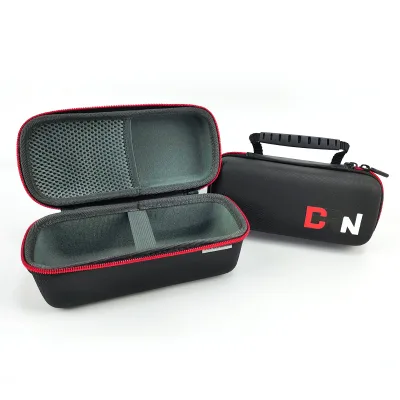
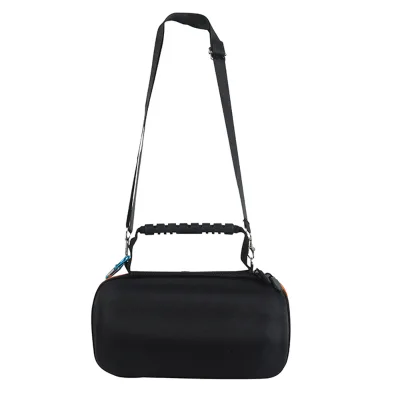

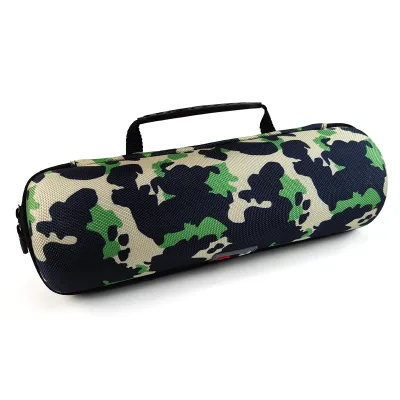
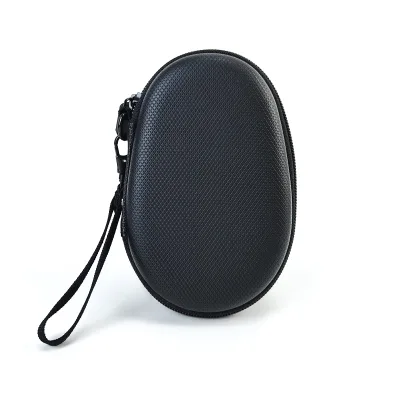
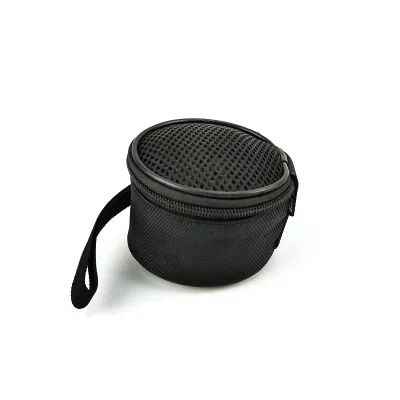
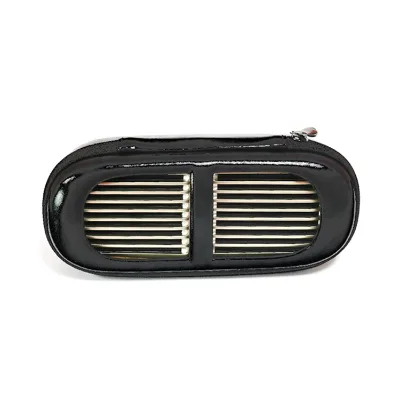
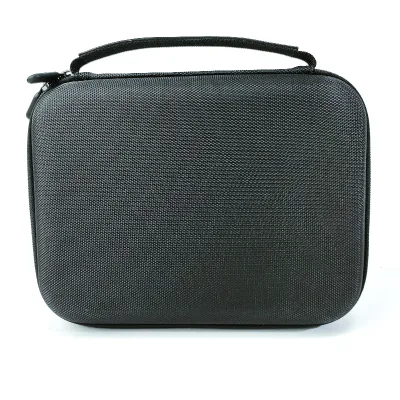
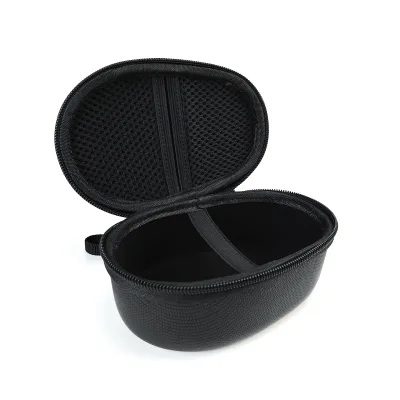


Comprehensive Sourcing Guide
Strategic Sourcing Guide for Soundproof Leather Speaker Storage Solutions
The global demand for durable, protective storage solutions for audio equipment has surged, driven by the proliferation of portable speakers and the need for secure transport in commercial and industrial settings. Buyers searching for a "soundproof leather speaker storage bag" must navigate a complex marketplace where terminology often conflates aesthetic materials with functional acoustic properties. While the core keyword suggests a specific combination of leather and soundproofing, the actual supply chain data reveals a diverse range of materials, including Oxford cloth, nylon, EVA, and PVC, serving similar protective functions. This guide provides a disciplined framework for evaluating suppliers, verifying technical claims, and ensuring procurement success without relying on unverified marketing assertions.
Understanding Material Composition and Acoustic Functionality
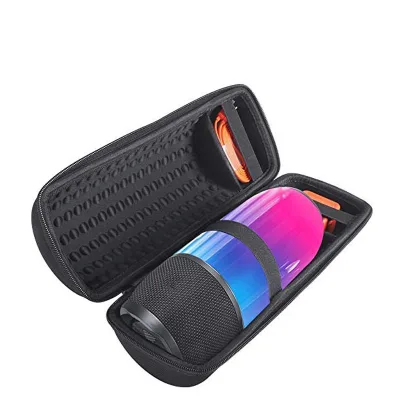
The first critical step in sourcing is clarifying the relationship between the product name and the actual material composition. In the current market, the term "soundproof" is frequently used to describe bags designed to dampen noise or protect equipment from impact, rather than creating a fully anechoic environment. The supplied product data indicates that high-performance storage cases often utilize materials like EVA (Ethylene Vinyl Acetate), Nylon, or Fabric with PVC coatings. For instance, specific listings highlight "Nylon+EVA" or "EVA" as primary materials, which are known for their shock-absorbing and water-resistant properties.
When evaluating a "leather" option, buyers must distinguish between genuine leather, synthetic leather, and fabric alternatives that mimic leather aesthetics. The provided facts show that some products are constructed from "Oxford Cloth" or "Water-Resistant High Temperature PVC," while others specify "Fabric" or "Plastic" for speaker components. A bag marketed as "leather" may actually be a high-grade synthetic material designed to offer the same tactile feel with superior durability and cost efficiency. The presence of "Waterproof Shockproof Dustproof" features in the data suggests that the primary value proposition is physical protection rather than pure acoustic isolation. Buyers should verify if the "soundproof" claim refers to the bag's ability to contain sound (preventing leakage) or its ability to protect the speaker from external noise and physical damage.
Technical Specifications and Dimensional Requirements
Precision in technical specifications is paramount when selecting storage solutions for audio equipment. The dimensions of the bag must align perfectly with the speaker's form factor to ensure a snug fit that prevents internal movement during transit. The observed data includes specific model numbers such as "00917" and "GC-XXXX," alongside precise dimensions like "26269CM" and "28X28X11 cm." These measurements are critical for determining the internal volume and the thickness of the protective lining.
Weight is another significant factor, as the total load affects shipping costs and user portability. The data indicates a specific weight of "454.3G" for a single unit, with a single gross weight of "1.72 kg" when packaged. This discrepancy suggests that the packaging weight (carton and polybag) adds substantial mass, which is relevant for logistics planning. Buyers should request the exact internal dimensions and the thickness of the EVA or foam lining to ensure the bag can accommodate the specific speaker model without compression. Furthermore, the "Single package size" of "28X28X11 cm" provides insight into the external footprint, which is essential for warehouse storage and shipping container optimization.
Compliance, Certification, and Safety Standards
In the B2B sector, compliance with international safety and environmental standards is non-negotiable. The supplied product information explicitly lists "CE" and "RoHS" certifications. These are critical indicators that the product meets European safety requirements for electrical equipment (CE) and restricts the use of hazardous substances (RoHS). For a speaker storage bag, RoHS compliance ensures that the materials used, particularly the plastics and coatings, do not contain lead, mercury, or other restricted substances that could pose environmental or health risks.
However, buyers must exercise caution. The presence of a certification label on a product page does not automatically guarantee that every unit in a bulk order meets the standard. The data mentions "High Qualtiy" and "OEM ODM Service," implying that customization is available. When ordering customized products, the certification status must be re-verified for the specific batch, as material substitutions during the customization process can alter compliance status. Additionally, while the data mentions "CE,RoHS," it does not specify other regional standards like UL (USA) or CCC (China). Buyers should explicitly request valid test reports from accredited laboratories to confirm that the specific materials used in the "leather" or "EVA" construction meet the required safety thresholds for their target market.
Cost Drivers and Minimum Order Quantity Analysis
The pricing structure for speaker storage bags is influenced by material costs, customization complexity, and order volume. The observed price range in the market spans from $0.38 to $50.00 USD, a wide variance that reflects differences in material quality, brand positioning, and feature sets. The lower end of the spectrum likely corresponds to basic Oxford cloth or simple fabric bags, while the higher end may include premium EVA cases with custom molding and advanced shockproofing.
Minimum Order Quantity (MOQ) is a significant cost driver. The data presents a conflicting range, with some listings stating an MOQ of "1pcs" and others requiring "500pcs." This variation often depends on whether the buyer is purchasing a standard stock item or a customized product. Customization, such as adding a "Customized Logo" or altering the "Style" to a specific "Backpack Style" or "Workbag," typically triggers higher MOQs to justify the setup costs for molds and printing. Buyers should anticipate that orders requiring specific dimensions, unique colors, or branded logos will likely fall into the higher MOQ bracket. Understanding the trade-off between unit price and order volume is essential for budgeting, as larger orders generally reduce the per-unit cost but increase the initial capital outlay.
Supplier Evaluation and Production Capabilities
Evaluating a supplier requires a deep dive into their manufacturing capabilities and logistical reliability. The data indicates that products originate from specific regions in China, namely "Hebei" and "Guangdong." These regions are known for their robust manufacturing ecosystems, but the specific location can influence lead times and quality control consistency. Guangdong, in particular, is a hub for electronics accessories and high-tech manufacturing, which may be preferable for complex EVA cases.
Key indicators of a reliable supplier include their ability to provide "OEM ODM Service" and their sample turnaround time. The observed "Sample time" of "3-7 Days" and "Delivery time" of "3-10 Days" suggest a responsive supply chain. However, these figures should be treated as benchmarks rather than guarantees. Buyers must verify the supplier's capacity to handle large-scale production without compromising quality. The mention of "Packing: Poly Bag + Carton" and "Packaging Details: polybag+carton" highlights the importance of protective packaging to prevent damage during transit. A reputable supplier will have a dedicated quality control team to inspect the "Single gross weight" and "Single package size" to ensure consistency across the entire batch.
Quality Control Protocols and Long-Term Procurement
Establishing a robust quality control (QC) protocol is essential for maintaining product integrity over the long term. The data lists several attributes such as "Dustproof," "Waterproof," and "Shockproof," which are functional claims that require physical verification. Buyers should implement a sampling plan that tests these attributes against industry standards. For example, verifying the "Water-Resistant High Temperature PVC" involves testing the material's resistance to water ingress and its ability to withstand temperature fluctuations without degrading.
Long-term procurement considerations also involve the durability of the product. The "Quality: High Qualtiy" claim is subjective and must be backed by objective metrics. Buyers should request durability test results, such as drop tests for shockproofing or abrasion tests for the outer material. Additionally, the "Logo: Customized Logo" feature requires a QC check to ensure the branding is applied correctly and does not peel or fade over time. Establishing a clear communication channel with the supplier for post-delivery support is also vital. If the "Speaker System" or "Monitor" components are integrated into the storage solution, the supplier must provide clear documentation on maintenance and repair procedures.
Typical Applications and Market Segmentation
The versatility of these storage bags allows them to serve various market segments. The data points to "Usage Scenarios: Standard" and "Application: Commercial," indicating that these products are suitable for a wide range of uses, from professional audio setups to retail distribution. The "Backpack Style" and "Workbag" styles suggest that portability is a key requirement for end-users who need to transport equipment frequently.
In commercial applications, such as event management or rental services, the "Hard Case" designation implies a need for maximum protection. These cases are often used to safeguard expensive audio equipment during transport to venues. The "Passive" activity classification suggests that the bag itself does not generate sound but is designed to protect the active components of the speaker system. For retail buyers, the "Multi Pockets Storage Tool Bag" feature adds value by allowing the organization of cables, adapters, and other accessories alongside the main speaker unit. Understanding the specific application helps buyers select the right balance of protection, portability, and storage capacity.
Conclusion and Strategic Recommendations
Sourcing a soundproof leather speaker storage bag requires a meticulous approach that balances aesthetic preferences with functional requirements. Buyers must look beyond the marketing keyword and examine the actual material composition, technical specifications, and compliance certifications. The wide range of materials, from Oxford cloth to EVA, offers flexibility but demands careful selection based on the intended use case. By verifying certifications like CE and RoHS, understanding the impact of MOQ on pricing, and implementing strict quality control measures, buyers can secure a reliable supply chain. The data highlights the importance of clear communication regarding dimensions, weight, and packaging to ensure that the final product meets the rigorous demands of the commercial market. Ultimately, a successful procurement strategy relies on due diligence, continuous supplier evaluation, and a commitment to quality that extends beyond the initial order.
FAQs
What materials are used for soundproof leather speaker storage bags?
Products often utilize EVA, Nylon, Oxford Cloth, or Water-Resistant PVC rather than genuine leather. These materials provide shockproof and dustproof protection while mimicking leather aesthetics for durability and cost efficiency in commercial applications.
Can I find suppliers with CE and RoHS certifications for these bags?
Yes, some listings explicitly state CE and RoHS certifications for compliance with European safety standards. Buyers must verify that specific batches meet these thresholds, especially when ordering customized products with altered materials.
What is the typical MOQ for customized speaker storage cases?
Minimum Order Quantities vary significantly, ranging from 1 piece for stock items to 500 pieces for customized orders. Customization like logos or specific dimensions typically triggers higher MOQs to justify setup costs for molds and printing.
How do I verify the dimensions and weight of the storage bag?
Specific listings provide dimensions like 26x26x9 cm or 28x28x11 cm with weights around 454.3 grams. Buyers should request exact internal dimensions and lining thickness to ensure a snug fit for their specific speaker model.
Which suppliers offer OEM and ODM services for these bags?
Many manufacturers provide OEM and ODM services allowing for logo customization and style variations like backpacks or workbags. Buyers should confirm sample times of 3-7 days and delivery times of 3-10 days for these customized services.
What is the price range for soundproof leather speaker storage bags?
The observed price range spans from 0.38 to 50 USD depending on material quality and features. Basic Oxford cloth bags are cheaper, while premium EVA cases with advanced shockproofing command higher prices in the market.
Where are these speaker storage bags typically manufactured?
Products originate from manufacturing hubs in Hebei and Guangdong, China. Guangdong is particularly noted for electronics accessories, while Hebei also produces durable fabric and EVA cases for the global market.